Quick Summary
- Omnichannel messaging unifies WhatsApp, Instagram, Facebook Messenger, live chat, and email into one connected inbox so agents see a customer's full conversation history without repeated context.
- Unlike multichannel setups, omnichannel connects every platform through shared APIs and a central database, letting your team recognize returning customers instantly across channels.
- Harvard Business Review research shows 73 percent of shoppers use multiple channels during their buying journey, making a connected messaging strategy essential rather than optional.
- In Malaysia, WhatsApp dominates customer communication with open rates near 98 percent, making native WhatsApp Business API support a must-have when comparing software.
- The right platform blends AI chatbot automation for routine questions with human agents for complex ones, and should include CRM integration, smart routing, tagging, and analytics.
Complete Guide to Omnichannel Messaging Software: Master Customer Communication
The way businesses communicate with their customers has undergone a massive transformation. Consumers no longer want to be talked at through static advertisements. They expect dynamic, responsive, and highly personalized conversations. They want to reach you on their terms, on their favorite apps, and at their convenience.
If you want to scale your business, unify your customer experience, and stop losing leads in a chaotic web of disconnected inboxes, you are in the right place. This complete guide to omnichannel messaging software will walk you through everything you need to know to transform your customer engagement strategy from the ground up.
What is Omnichannel Messaging?
Before diving into complex strategies, we must answer a fundamental question: what is omnichannel messaging?
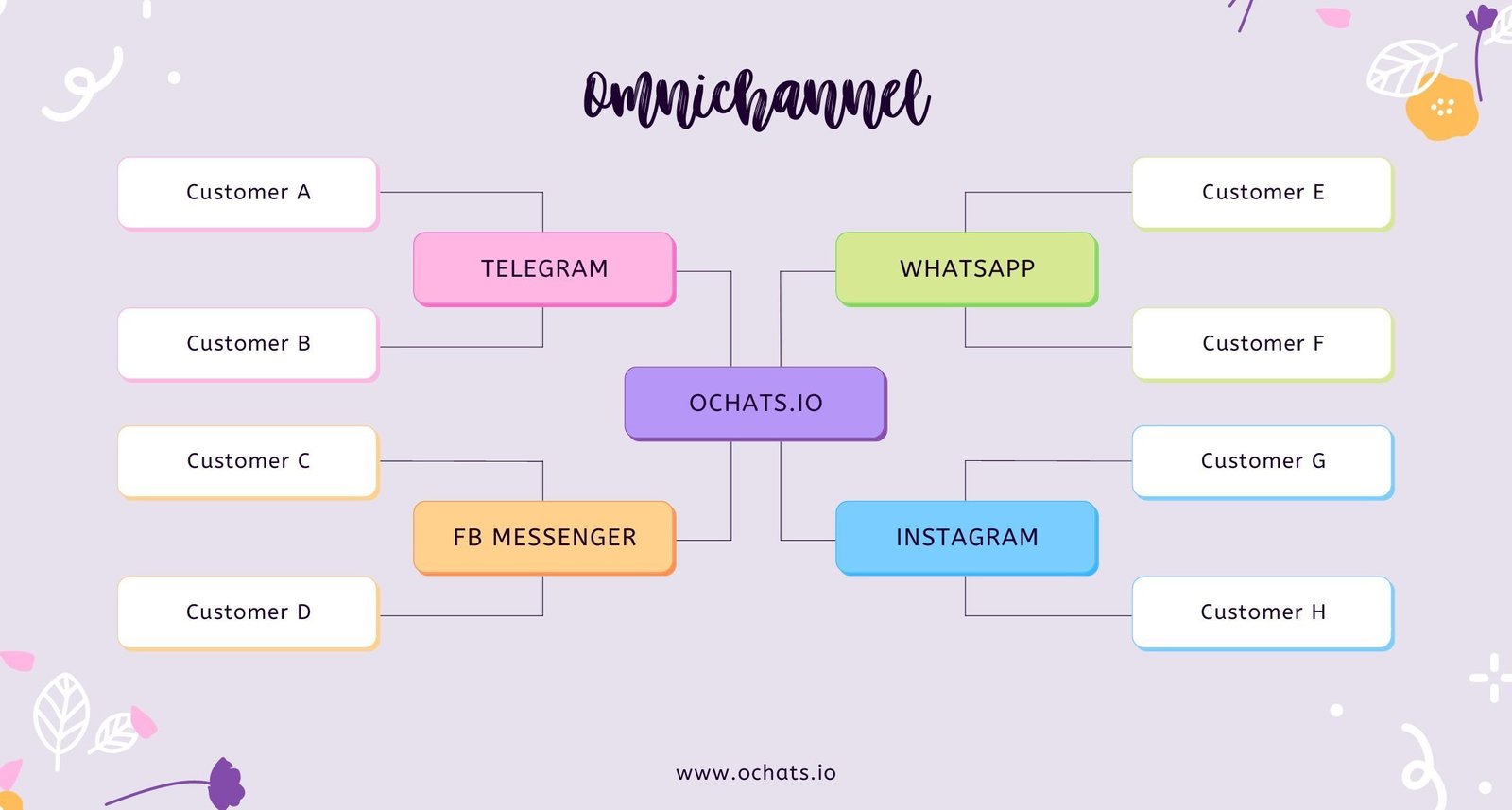
In simple terms, omnichannel messaging is a unified approach to customer communication. It connects all your different communication platforms into one centralized ecosystem. Instead of treating your website live chat, email, social media direct messages, and SMS as separate silos, an omnichannel approach weaves them together.
For example, a customer might discover your product on Instagram and send a direct message. Later, they might visit your website and ask a follow up question via live chat. Finally, they might complete their purchase and receive a confirmation via WhatsApp. In an omnichannel system, your support agents see this entire journey as one single, continuous thread. The context is never lost, and the customer never has to repeat themselves.
This is vastly different from a “multichannel” approach. In a multichannel setup, a business might be present on many platforms, but those platforms do not talk to each other. Omnichannel breaks down these walls to create a frictionless experience for both the buyer and the business owner.
The Technical Architecture: How Omnichannel Works
To fully grasp how a complete guide to omnichannel messaging software can transform your business, you must understand the basic technical plumbing behind it. This architecture relies heavily on Application Programming Interfaces, commonly known as APIs.
For instance, the official WhatsApp Business API acts as a secure bridge that connects the WhatsApp platform directly to your central software dashboard. Instead of relying on a physical smartphone, the API channels all incoming and outgoing messages through the cloud. Webhooks then notify your system the exact second a customer sends a message. This ensures your dashboard updates in real time. Because all these channels plug into one centralized database, your software can instantly identify if a user messaging you on Facebook is the exact same user who emailed you last week.
What Makes Omnichannel Messaging Different from Traditional Marketing?
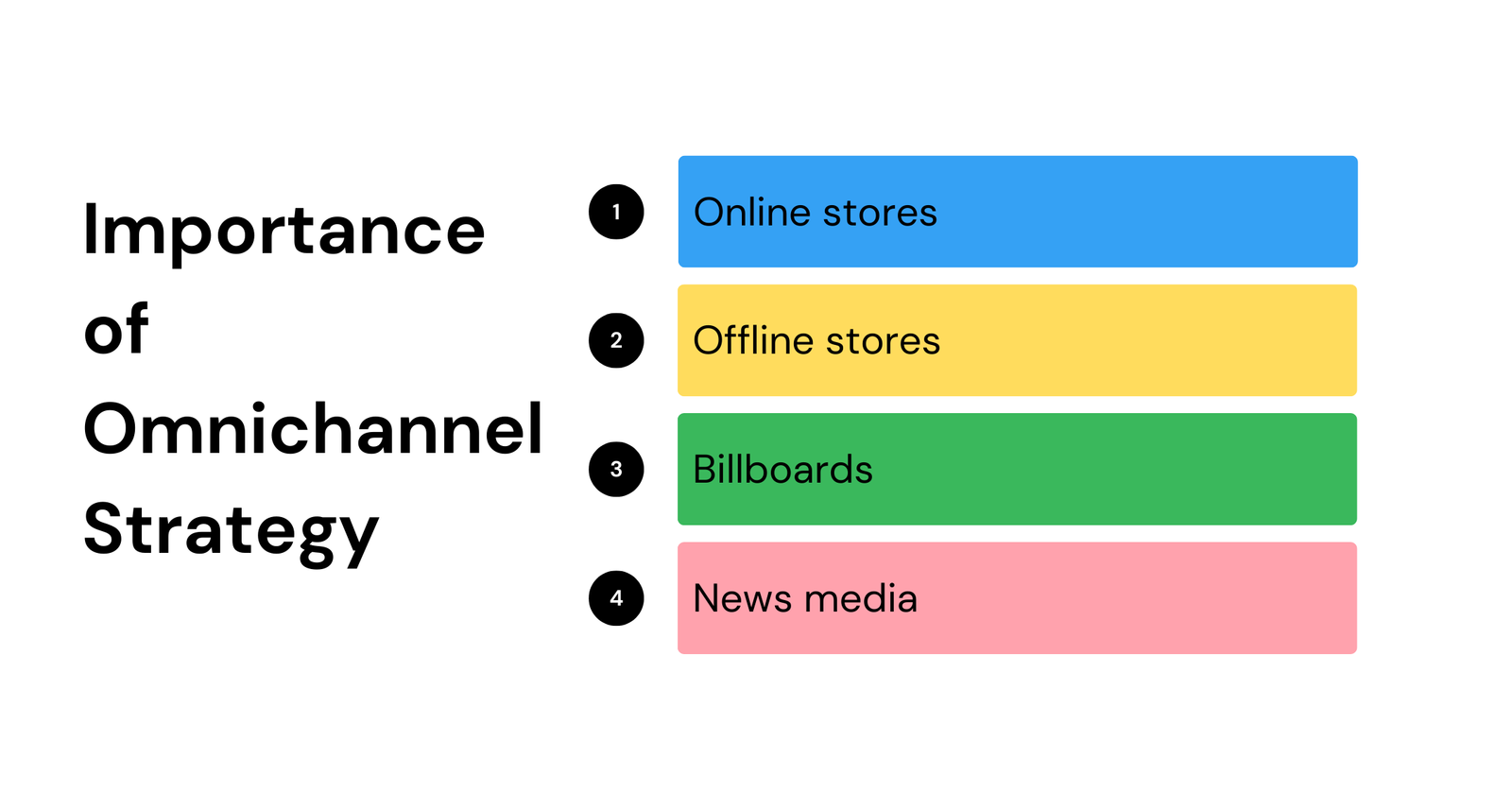
Traditional marketing is heavily focused on broadcasting a message to a wide audience through a single, static channel. This typically happens through mediums like a highway billboard, a television commercial, or a newspaper advertisement. While these methods generate brand awareness, they completely lack two-way communication.
Omnichannel marketing fundamentally changes this dynamic by using an interconnected web of digital channels to reach and converse with the customer.
It is important to note that traditional marketing generally does not include social media, instant messaging apps, or email as core channels for real time communication. These digital touchpoints are the absolute foundation of the omnichannel marketing strategy because they are the most popular channels used by modern consumers today.
In traditional marketing, there is only one point of contact between the company and the customer. You put out an advertisement, and you hope the customer takes action. In contrast, in omnichannel marketing, there are multiple, ongoing points of contact. According to extensive research published by the Harvard Business Review, a staggering 73 percent of consumers use multiple channels during their shopping journey. A customer might engage with an advertisement, reply to a social media post, click a link in a promotional email, and then chat with a support agent on WhatsApp. Omnichannel messaging ties all these touchpoints together to form a cohesive brand experience.
Industry Specific Use Cases
Abstract definitions only tell half the story. Let us look at exactly how this modern communication strategy plays out across different real world industries:
- E-commerce: A shopper abandons their cart on your website. Your software automatically triggers an email reminder. Two hours later, it sends a personalized discount code via WhatsApp. The customer replies to the WhatsApp message with a sizing question, an agent answers instantly, and the sale is closed.
- Real Estate: A prospective homebuyer clicks on a Facebook Lead Ad for a new condo development. Instead of waiting days for an email response, an automated sequence sends them the property brochure via Facebook Messenger. The bot then asks if they want to schedule a viewing and instantly books an appointment on the agent’s calendar.
- Software and Services: A user encounters a technical error and submits a support ticket via email. Later that afternoon, they want an update and ask a question through the website live chat. Because the systems are linked, the live chat agent immediately sees the open email ticket and provides a seamless, informed update.
How Omnichannel Messaging Helps Businesses Stay Connected with Their Customers
Omnichannel messaging is the new standard way to communicate with buyers, and its popularity is only accelerating. Industry experts previously predicted that by 2020, 85% of customer interactions would be handled without direct human intervention. Fast forward to today, and this digital transformation is our absolute reality. This means companies must find intelligent ways to stay connected with their customers across all platforms simultaneously.
There are many tangible benefits to using omnichannel messaging as your primary contact center software. When you equip your customer service team with these tools, those benefits are directly passed on to your buyers.
Here is exactly how this software transforms the customer relationship:
- Zero Wait Times for Customers: Customers are significantly happier since they do not have to wait in long queues for an agent’s response. Automated routing and intelligent chatbots can handle basic queries instantly.
- Increased Agent Efficiency: It takes far less time for human agents to reply because they operate from a single, unified inbox. They do not have to switch between different browser tabs or mobile apps to answer questions. They only need to answer one question at a time in one place.
- Superior Customer Experience: When context is preserved across channels, customers feel valued and understood. As highlighted in the recent Zendesk CX Trends Report, 70 percent of consumers notice a clear gap forming between companies that leverage intelligent, interconnected communication tools effectively and those that do not.
- Higher Customer Retention: Consumers naturally gravitate toward convenience. Customers tend to shop repeatedly at the same store after they have received a superb, frictionless shopping experience.
The Synergy of AI Chatbots and Human Agents
A major trend shaping the future of customer communication is the hybrid support approach. Implementing this software does not mean you are replacing your entire human workforce with robots. Instead, you are empowering them.
AI chatbots are perfectly equipped to handle high volume, repetitive questions. They can instantly answer queries regarding store hours, shipping policies, and basic order tracking. This acts as a massive filter. By the time a conversation actually reaches a human agent, the trivial questions are already solved. Your human team can then dedicate their full energy and empathy to handling complex, high value interactions that require a personal touch. This delicate balance between artificial intelligence and human intuition is the hallmark of a world class support system.
The Importance of an Omnichannel Strategy for Every Business
The single most important thing for any business developing an omnichannel strategy is the unwavering focus on providing the best customer experience possible. When your customer is happy, your business naturally generates more repeat buyers. It is vital for businesses to reach their customers exactly where they are, whether that is on a desktop computer at work, on a tablet at home, or on their smartphone while commuting.
An omnichannel strategy represents a brand’s overarching approach to interacting with customers across all available channels. This includes physical storefronts, e-commerce websites, social media sites, and mobile messaging applications.
Omnichannel retailers possess a massive competitive advantage. They are able to offer a highly personalized experience that businesses selling through only one channel simply cannot match. They successfully combine traditional offline retail tactics with modern digital engagement tactics. This hybrid approach is specifically designed to provide buyers with the most convenient shopping journey possible.
Providing this personalized experience delivers incredible benefits that will propel your overall business revenue. Regardless of whether your business is a local retailer, a B2B service provider, or a global product manufacturer, delivering a seamless communication experience is mandatory for survival.
Some users might love to use WhatsApp to communicate with your business. Others might prefer Facebook Messenger, Instagram Direct, or traditional email. Having dedicated software will help you provide a spectacular shopping experience while making it incredibly easy for your team to manage all incoming messages from all over the internet.
Connecting the Dots: Integrating Your Support Systems
To truly maximize the value of your customer interactions, your messaging tools cannot operate in isolation. They need to be part of a larger ecosystem.
For businesses that want to scale their support operations, integrating your messaging software with your broader helpdesk tools is crucial. If you want to learn more about setting up a comprehensive support infrastructure, we highly recommend reading our guide on choosing the best omnichannel support software. By linking your messaging tools to your primary support software, you ensure that every ticket, inquiry, and resolution is tracked perfectly, leading to unprecedented customer satisfaction.
Omnichannel Software Comparison: Finding the Right Fit
Because the market is flooded with different tools, conducting an omnichannel software comparison is essential before making an investment. Not all platforms are created equal, and choosing the wrong one can lead to wasted resources and a frustrated support team.
When evaluating software, you should categorize them into three main tiers:
1. Enterprise Level Solutions These platforms are built for massive corporations with thousands of daily support tickets. They offer deep integrations with legacy CRM systems and complex routing algorithms. However, they are incredibly expensive and require months of training to deploy.
2. Basic Chat Aggregators These are simple tools designed to pull messages from a few basic channels into one inbox. They are cheap and easy to set up. Unfortunately, they usually lack advanced automation features, tagging capabilities, and targeted broadcast functions.
3. Specialized Marketing and Messaging Platforms These platforms strike the perfect balance between power and usability. They are designed specifically to help growing businesses close sales and nurture leads. They offer powerful automation, tag based segmentation, and seamless integrations with popular chat apps. Software like oChats.io falls into this category, providing premium features without the enterprise price tag.
| Software Category | Best Suited For | Core Strengths | Major Limitations |
|---|---|---|---|
| Enterprise | Large Corporations | High customization, legacy integrations | Very expensive, steep learning curve |
| Basic Aggregators | Solo Entrepreneurs | Cheap, simple setup | Lacks automation and marketing tools |
| Specialized Platforms | Growing SMEs | Advanced broadcasting, CRM integration, affordable | Requires strategy to maximize potential |
Critical Features to Look for in Your Software
When performing an omnichannel software comparison, you must look beyond basic chat aggregation. Prioritize platforms that offer the following fundamental features:
- Deep CRM Integration: Your messaging tool must connect to your Customer Relationship Management system. This ensures that every conversation updates the customer profile automatically.
- Smart Routing Rules: The software should be able to read incoming messages and route them to the correct department. Sales inquiries go to the sales team, and technical complaints go to the technical support team.
- Automated Tagging and Segmentation: The platform must allow you to assign specific tags to users based on their behavior. This is crucial for sending highly targeted promotional broadcasts later.
- Comprehensive Analytics: Look for built in reporting tools that track agent first response times, total resolution times, and channel volume distribution.
The Landscape of Omnichannel Messaging Malaysia
Understanding local consumer behavior is vital for success, especially if you are operating in specific geographical regions. The landscape of omnichannel messaging Malaysia is a perfect example of why localized strategies are necessary.
In Malaysia, standard SMS and traditional email have taken a backseat to instant messaging applications. WhatsApp is the undisputed king of communication in this region. Malaysians use WhatsApp not just for chatting with friends and family, but for conducting business, making reservations, inquiring about product stock, and even sending payment receipts.
If a business in Malaysia does not offer a seamless WhatsApp communication channel, they are actively leaving money on the table. In fact, recent industry data shows that WhatsApp Business open rates consistently reach up to 98 percent, completely eclipsing traditional email marketing metrics. However, relying solely on a personal WhatsApp account becomes impossible as a business grows. A single phone simply cannot handle hundreds of daily inquiries.
This is why adopting a localized omnichannel approach is critical. By utilizing software that officially integrates with the WhatsApp Business API alongside Facebook Messenger and Instagram, Malaysian businesses can automate standard replies, send promotional broadcasts safely, and have multiple agents handling inquiries simultaneously. If you want to dominate the market in omnichannel messaging Malaysia, your software choice must have native, robust support for the chat applications your local customers actually use.
Compliance and Data Privacy in the Malaysian Market
Beyond consumer preference, Malaysian businesses must also deeply consider legal compliance. The Personal Data Protection Act, or PDPA, strictly dictates how commercial businesses must handle and store consumer data.
When you centralize all your customer conversations into a single platform, you are consolidating sensitive personal information. Relying on makeshift solutions or unauthorized third party chat tools puts your business at massive legal risk. By choosing a reputable omnichannel platform that uses official APIs, you ensure that customer data is encrypted, stored securely, and fully compliant with local data protection regulations. Trust is the ultimate currency in modern retail, and protecting your buyers’ data is step one in earning it.
What is the Constant Contact Strategy and How Do I Create One?
The Constant Contact Strategy is a powerful marketing methodology that requires you to use email, social media, and instant messaging channels simultaneously to reach your target audience on a consistent basis.
The goal is not to spam your customers, but rather to maintain a healthy, value driven presence in their daily digital lives. Of course, this strategy only works when you have a capable CRM system that is fully connected to all these communication channels.
This strategy is highly recommended for small businesses and fast growing startups because it is both inexpensive and highly effective. It helps you build genuine relationships with your customers over time. By staying top of mind, you drastically increase the likelihood of them purchasing from you in the future.
Here is how you can practically create and execute this strategy:
Step 1: Unify Your Channels You must first implement an omnichannel messaging software that allows you to connect your email, social media accounts, and chat apps into one dashboard.
Step 2: Segment Your Audience Do not send the exact same message to everyone. Use your software to tag and segment your audience based on their past purchases, interests, and demographic data.
Step 3: Craft Value Driven Campaigns Once the software you have subscribed to is fully connected to your desired channels, you can start to execute the Constant Contact Strategy. Send a helpful tip via email, follow it up with a relevant promotion on WhatsApp a few days later, and reinforce the message with engaging content on your Instagram stories.
- Step 3.5: Master Your Cadence and Timing To maximize the impact of your campaigns, you must establish a clear communication cadence. A very common mistake is overwhelming the customer with too many messages at once. Space out your touchpoints logically. For example, send an educational email newsletter on Tuesday. Allow the customer time to digest the information. Then, follow up with a highly relevant, soft promotional message via WhatsApp on Friday afternoon. This strategic spacing keeps your brand visible without becoming an annoyance.
Step 4: Manage the Influx of Inquiries Software like this allows you to effortlessly manage all incoming inquiries after you have sent out your marketing messages to your targeted recipients. When a customer replies to your promotional broadcast, your team can answer them immediately from the unified inbox.
Platforms like oChats.io are specifically built for this workflow. It is one of the premier software options that allows you to tailor your marketing messages based on the recipient’s specific interests, ensuring your constant contact remains highly relevant and never annoying.
Conclusion: Key Takeaways
Providing a flawless, interconnected customer experience has never been more important than it is today. Consumers have endless choices, and their loyalty is awarded to the brands that make communication easy, fast, and personalized.
Transitioning away from single channel traditional marketing into a unified digital strategy gives a massive head start to your business. It reduces agent burnout, increases customer satisfaction, and directly boosts your bottom line. You do not have to overhaul your entire business model overnight; you can simply start by upgrading your communication tools.
Mastering this space begins with choosing the right platform. oChats.io provides exactly what you need to unify your inbox, automate your responses, and execute brilliant marketing strategies across every channel that matters.