
Quick Summary
- Omnichannel retailing connects online platforms, physical stores, and mobile apps into one seamless shopping journey, matching how modern consumers actually shop across channels.
- Businesses with strong omnichannel engagement retain an average of 89 percent of customers, versus 33 percent for weak omnichannel strategies, according to Invespcro.
- Over 70 percent of shoppers use multiple channels during a single purchase journey, and businesses adopting omnichannel see up to 90 percent higher customer retention, according to Harvard Business Review.
- Omnichannel unifies inventory management and messaging into one system, cutting operational costs while enabling data-driven personalization that boosts conversions.
- In Malaysia's mobile-first market, omnichannel strategies built around WhatsApp and Instagram are reducing cart abandonment and increasing repeat purchases.
In the rapidly evolving landscape of retail, the omnichannel approach has emerged as a crucial strategy for online businesses seeking to enhance the customer experience and drive sales. Omnichannel retailing integrates various shopping channels, including online platforms, physical stores, and mobile applications, to create a seamless shopping journey for consumers.
If you are wondering why omnichannel is important for ecommerce, the answer lies in its ability to adapt to modern consumer behavior. Shoppers no longer rely on a single channel to make a purchase. They browse on mobile, compare prices on desktops, and often complete transactions in physical stores or via social media. This article explores the deep significance of an omnichannel ecommerce strategy, highlighting its direct impact on consumer behavior, operational efficiency, and overall business success.
For businesses looking to master this transition, utilizing robust omnichannel support software is often the foundational step toward true channel integration.
Everything You Need To Know About Omnichannel Marketing
Omnichannel marketing is a comprehensive marketing strategy that uses many different channels to engage with customers seamlessly. It can be used to dramatically increase customer engagement and improve the overall customer experience. Unlike traditional marketing that treats each platform as a silo, an omnichannel approach ensures that the messaging, branding, and customer journey remain consistent whether the user is on Instagram, checking an email, or browsing your website.
Understanding why omnichannel is important for ecommerce requires looking at the modern buyer’s journey. Customers expect brands to remember their preferences and past interactions across all touchpoints. This article will cover the core benefits of omnichannel marketing, what you need to know about setting it up, and how it can be practically applied to scale your business.
Should You Consider Omnichannel Marketing?
So, should you be considering omnichannel marketing? The answer is a resounding yes. It is time to start thinking about your business in the exact same way that your customers do: as a holistic entity that has many points of interaction with potential buyers.
An omnichannel ecommerce strategy is a customer-centric approach to marketing that combines online and offline channels to deliver a flawless customer experience across all points of contact. In this model, all touchpoints are meticulously monitored to gather data insights that drive business decisions, optimize the customer journey, and provide highly personalized content.
The following are common examples of omnichannel use cases:
The retail experience is a prime example of how an omnichannel approach can help retailers improve their business. In this scenario, the goal is to provide customers with seamless access to information about products and services as they shop online and in-store. This is achieved by providing a single customer experience that seamlessly combines multiple channels to offer the absolute best possible service.
5 Key Benefits of Omnichannel for Your Business
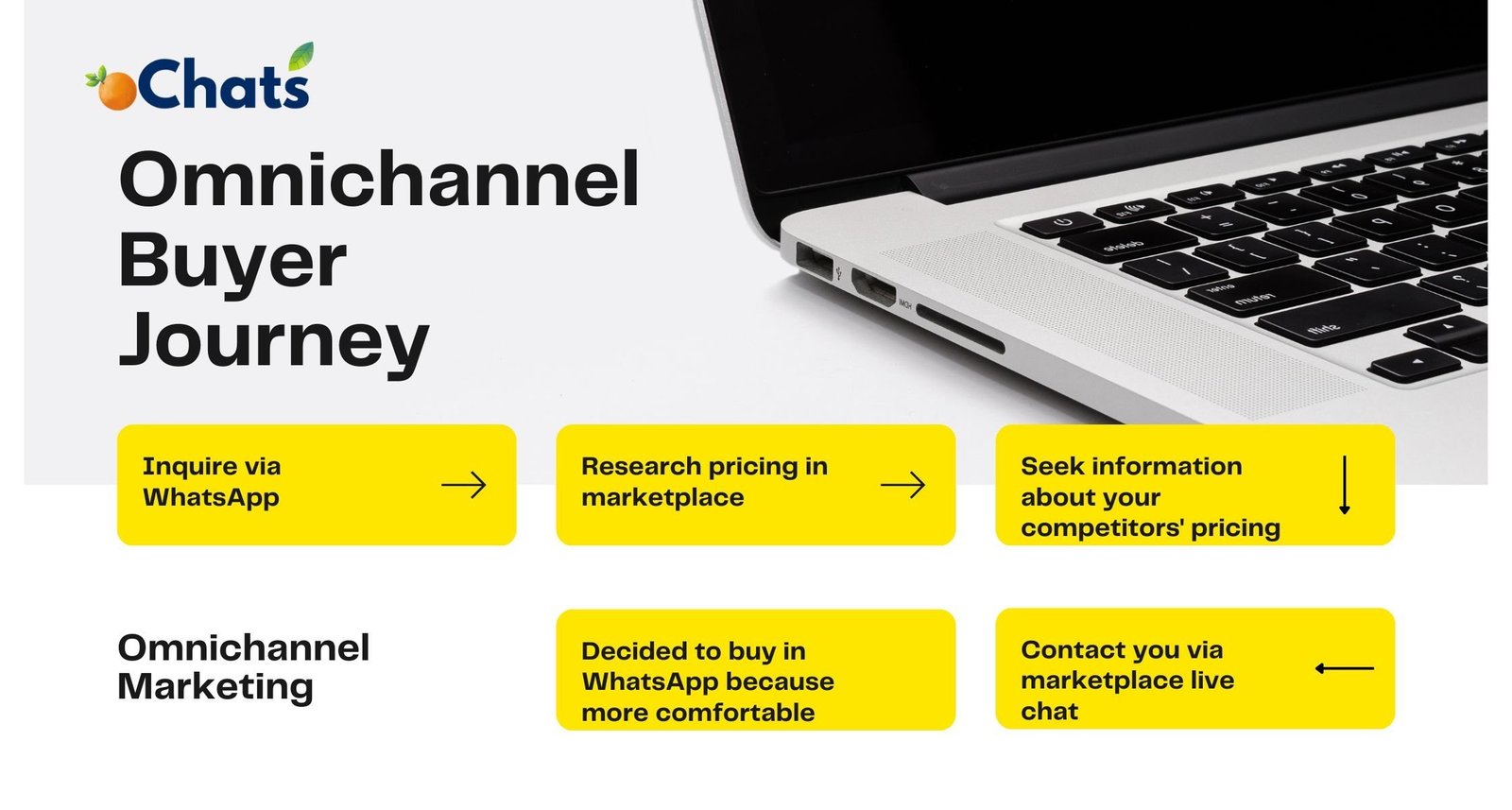
To truly grasp why omnichannel is important for ecommerce, we must look at the tangible advantages it brings to the table. There are many advantages to integrating your channels, but here are the top five benefits of omnichannel marketing.
Reaching Customers Where They Are
It allows businesses to reach their customers in the exact way they want, when they want, and where they want. Consumers switch devices multiple times a day. An omnichannel ecommerce strategy ensures your products are visible whether they are scrolling through TikTok or searching on Google.
Enhanced Customer Retention
One of the greatest benefits of omnichannel strategies is improved customer retention. It also helps with customer retention because it provides consistency across channels. Statistics show that omnichannel strategies retain on average 89% of their customers, which is a staggering increase compared to the 33% retention rate of businesses with weak omnichannel engagement.
Increased Operational Efficiency
It helps businesses become significantly more efficient by using one centralized system for all their marketing and inventory efforts. Instead of managing five different dashboards, a unified approach saves time and reduces human error.
Data-Driven Personalization
Another reason why omnichannel is important for ecommerce is the sheer volume of actionable data it provides. By tracking user behavior across all platforms, you can deliver hyper-personalized recommendations that boost conversion rates.
Higher Overall Sales and ROI
Ultimately, the combination of better reach, retention, and personalization leads to increased revenue. Customers engaging across multiple channels tend to spend more than single-channel shoppers, making the benefits of omnichannel undeniable for your bottom line.
Understanding Omnichannel Retailing
Omnichannel retailing refers to a unified approach that allows consumers to interact with a brand through multiple channels, ensuring a consistent and integrated shopping experience. This model contrasts sharply with multichannel retailing, where channels operate independently without a cohesive strategy.
The omnichannel approach recognizes that consumers often switch between channels during their shopping journey, necessitating a seamless transition across platforms (Cakir et al., 2021; Riaz et al., 2021). For instance, a customer might research a product online, visit a physical store to inspect it, and ultimately make a purchase through a mobile app. Over 70% of shoppers use multiple channels during their shopping journey, which proves that a single-channel approach is no longer sufficient. This fluidity in consumer behavior clearly underscores why omnichannel is important for ecommerce brands trying to meet evolving customer expectations (Chen et al., 2018; Jayasingh et al., 2022).
The Role of Consumer Behavior in Omnichannel Success
Consumer behavior has undergone significant changes in recent years, largely driven by rapid technological advancements and the massive proliferation of online shopping. Today’s consumers expect a personalized and incredibly convenient shopping experience, which an omnichannel ecommerce strategy is specifically designed to deliver.
Research indicates that consumers increasingly prefer to engage with brands that offer integrated shopping experiences, leading to much higher customer satisfaction and brand loyalty (Alves et al., 2021). The rise of showrooming and webrooming, behaviors where consumers research products online before purchasing in-store or vice versa, further emphasizes the critical nature of this approach (Halibas et al., 2023; Zhang et al., 2021). By deeply understanding these behaviors, retailers can continuously tailor their strategies to enhance customer engagement and drive sales.
Enhancing Customer Experience Through Omnichannel Strategies
A primary advantage of adopting this model is the radical enhancement of the customer experience. Omnichannel retailing allows for greater personalization, as retailers can leverage data from various channels to fully understand consumer preferences and behaviors (Riaz et al., 2021; Muchardie et al., 2023). This data-driven approach enables businesses to provide tailored recommendations, timely promotions, and premium services, ultimately leading to increased customer satisfaction and long-term retention. In fact, businesses adopting omnichannel see a 90% higher customer retention rate than those relying on a single-channel strategy.
Moreover, the integration of online and offline channels facilitates a much more flexible shopping experience. For instance, consumers can choose to buy online and pick up in-store (BOPS), allowing them to avoid shipping costs and delivery delays while still enjoying the convenience of online browsing (Li et al., 2023). This flexibility not only meets strict consumer demands but also drives valuable foot traffic to physical retail stores, creating additional upselling opportunities.
Operational Efficiency and Cost Reduction
Implementing a solid omnichannel ecommerce strategy can also lead to significant operational efficiencies. By integrating inventory management across all channels, retailers can heavily optimize stock levels and reduce excess inventory, ultimately lowering operational costs (Taylor et al., 2019; Akturk et al., 2018). This deep integration allows for better demand forecasting and precise inventory allocation, ensuring that products are always available where and when customers want them.
Furthermore, omnichannel fulfillment strategies, such as ship-to-store services, can instantly enhance the overall efficiency of your supply chain. These strategic moves enable retailers to leverage their physical stores as localized distribution points, significantly reducing shipping times and logistics costs while improving customer satisfaction (Akturk et al., 2018; Li et al., 2023). As the digital market continues to grow, the ability to efficiently manage logistics and fulfillment across multiple channels will be absolutely critical for maintaining a competitive edge.
How to Implement an Omnichannel in your Business
Omnichannel is a concept that has been around for a while, and it is only getting more and more popular. It is the core idea of having one seamless experience across all channels. However, building an omnichannel ecommerce strategy is not just about having an online store and a mobile app; rather, it is about connecting all the different channels to create one cohesive customer experience.
The absolute best way to implement an omnichannel ecommerce strategy in your business is to start by closely looking at your customer journey map. What are the specific touchpoints that your customers have with your brand? And how can you seamlessly connect them?
One highly effective method is using oChats.io. As an advanced omnichannel messaging software, it helps you engage and build a deeply rooted relationship with your audience through synchronized messaging. You can easily manage all your business messaging applications in one single, unified location, which is exactly why omnichannel is important for ecommerce brands looking to scale without losing the personal touch.
Spotlight: Omnichannel Retail Malaysia
The digital landscape in Southeast Asia is booming, and omnichannel retail Malaysia is seeing unprecedented growth. With a highly mobile-first population and heavy reliance on social media applications like WhatsApp and Instagram for business communication, Malaysian consumers expect rapid, cross-channel support. The digital landscape in Southeast Asia is booming, and omnichannel retail Malaysia is seeing unprecedented growth as the regional e-commerce market size is projected to reach new heights by 2026.
For local businesses, understanding omnichannel retail Malaysia trends is vital. Shoppers in Kuala Lumpur or Penang might discover a product via a Facebook ad, ask questions via WhatsApp, and expect to complete the purchase directly through a secure online payment gateway without ever leaving the chat. The benefits of omnichannel in this specific region include capturing impulse buyers and building deep trust through localized conversational commerce.
Brands that successfully deploy an omnichannel ecommerce strategy tailored for the Malaysian market are seeing a massive reduction in cart abandonment rates and a notable increase in repeat purchases. This local context perfectly illustrates why omnichannel is important for ecommerce globally and regionally.
How To Effectively Use Omnichannel Marketing To Increase Sales And User Engagement?

Marketing is undoubtedly one of the most important aspects of any company. It can literally make or break the business in the long run. Modern marketing is not just about aggressively advertising your products; it is about intimately understanding your audience and knowing exactly how to speak to them. There are many different types of marketing that you can use to promote your business, but one that has been gaining immense popularity over the past few years is omnichannel marketing.
Omnichannel marketing is defined as using all available integrated channels to engage with current customers and potential prospects to maximize sales and user engagement. With this type of marketing, you cultivate a much more personal connection with your customer because you can seamlessly reach them through many different ways such as email, social media, SMS text messages, and live chat.
This type of marketing has been proven to be highly effective for several reasons:
- It allows consumers who may not be completely aware of your brand or specific product an easy opportunity to find out about it naturally.
- It dramatically increases conversion rates by removing friction from the buying process.
- It consistently reminds users of the benefits of omnichannel shopping, keeping them in your brand ecosystem.
How To Use Data In Marketing Effectively
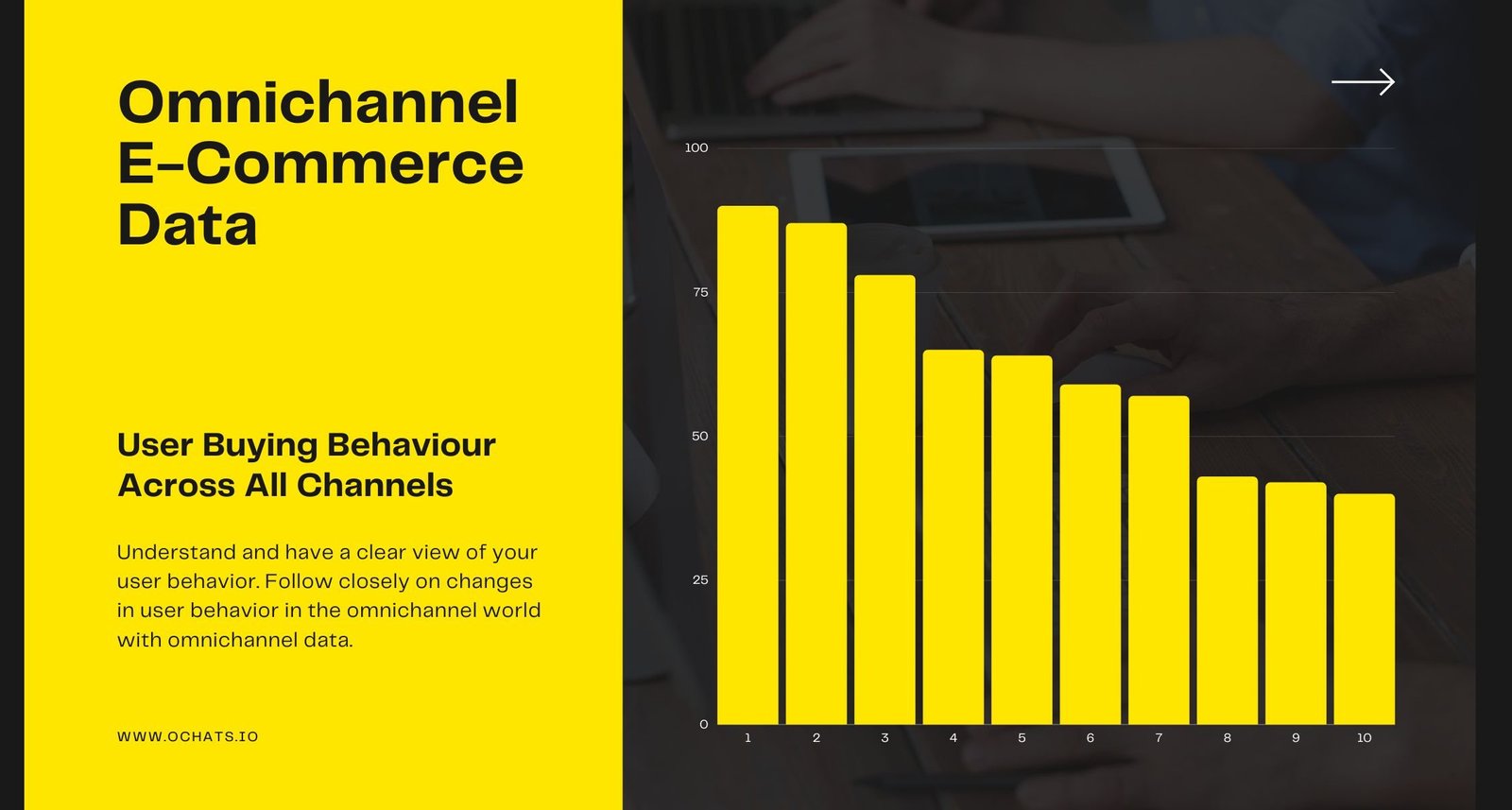
First and foremost, you need to clearly know that data is the absolute lifeblood of any modern business. It provides invaluable insights into how your company is truly performing, what your target customers actually want, and exactly what is working and what is not working in your campaigns. You can leverage data analysis tools to help you make logical sense of this information in a way that makes it incredibly easy to understand and immediately take action on.
With the correct data analytic tools and a deep knowledge of what that data represents, you can use this information to your immense advantage in making wise, profitable decisions in marketing. This is widely known as data-driven marketing. Data-driven marketing is a strategic process of using information from various sources, such as social media monitoring tools or advanced website analytics, to better target ideal customers and drastically improve conversion rates on websites or specific products.
You can check out our specialized messaging software to see this in action. This software is deliberately built with an omnichannel focus in mind. It provides synchronized messaging and cross-channel data analytics for your business, proving once again why omnichannel is important for ecommerce success.
Challenges and Considerations in Omnichannel Implementation
Despite the numerous benefits of omnichannel strategies, retailers still face several distinct challenges during their implementation phase. One significant hurdle is the urgent need for complex technological integration across various disconnected platforms. Retailers must be willing to invest in a robust IT infrastructure to ensure flawless, real-time communication between online systems and offline channels (Bogdan & Gotwald, 2022; Tan et al., 2023).
This comprehensive technical overhaul includes integrating customer relationship management (CRM) systems, upgrading inventory management software, and deploying advanced data analytics tools to provide a complete, 360-degree view of customer interactions and specific preferences.
Additionally, retailers must carefully navigate the growing complexities of consumer privacy and data security. Because an omnichannel ecommerce strategy relies so heavily on extensive data collection and deep behavioral analysis, ensuring the strict protection of customer information is paramount. Retailers must rigorously comply with privacy regulations such as the General Data Protection Regulation (GDPR) or local Personal Data Protection Acts (PDPA) while still delivering the highly personalized experiences that consumers crave (Ayensa et al., 2016; Mahardikaningtyas & Akromudin, 2024).
Future Directions for Omnichannel Retailing
The exciting future of omnichannel retailing is poised for even further innovation as commercial technology continues to advance at a rapid pace. The sophisticated integration of artificial intelligence (AI) and machine learning can exponentially enhance the personalization of shopping experiences, allowing retailers to accurately predict consumer behavior and future preferences with stunning accuracy (Mishra et al., 2020; Ryu et al., 2023).
Additionally, the steady rise of the Internet of Things (IoT) presents entirely new, lucrative opportunities for retail strategies, enabling ambitious retailers to connect directly with consumers through smart home devices and further enhance the overall shopping experience (Hsieh, 2020; Daugherty et al., 2019).
Moreover, as environmental sustainability becomes a heavily growing concern for modern consumers, retailers must carefully consider exactly how their strategies can align with eco-friendly business practices. This ethical shift includes optimizing complex supply chains to noticeably reduce corporate carbon footprints and consistently offering sustainable product options across all available sales channels (Sousa et al., 2021; Mahardikaningtyas & Akromudin, 2024). By proactively addressing these emerging market trends, online retailers can strategically position themselves for massive success in the increasingly competitive global landscape.
Conclusion and Next Steps for Omnichannel
In conclusion, understanding exactly why omnichannel is important for ecommerce cannot be overstated. By consistently providing a seamless, fully integrated shopping experience, retailers can drastically enhance customer satisfaction, drive substantial sales growth, and vastly improve their internal operational efficiency. As consumer shopping behavior continues to rapidly evolve, online businesses must agilely adapt their sales strategies to meet the high demands of the modern, tech-savvy shopper.
Embracing new technological advancements and bravely addressing the initial challenges of system implementation will be absolutely critical for any retailer seeking to survive and thrive in the dynamic, fast-paced world of digital commerce. Omnichannel is a proven marketing strategy that has been highly popular and effective for a few years now. It firmly dictates that modern companies must be fully capable of delivering their high-quality products and customer services in any specific channel the consumer chooses to utilize.
There are many established best practices for building a highly successful digital strategy, but the absolute most important one is to deeply understand your unique customer journey and correctly identify which specific channels your buyers actively use. This proactive way of operating ensures that companies are continuously delivering the right engaging content through all appropriate channels at the exact right time. We firmly believe that utilizing tools like oChats.io can effortlessly help you achieve a flawless omnichannel experience for your valued customers.
- Cakir et al. “Omnichannel retailing: Digital transformation of a medium-sized retailer” Journal of Information Technology Teaching Cases (2021) doi:10.1177/2043886920959803.
- Riaz et al. “Factors Effecting Omnichannel Customer Experience: Evidence from Fashion Retail” Information (2021) doi:10.3390/info13010012.
- Chen et al. “Omnichannel business research: Opportunities and challenges” Decision Support Systems (2018) doi:10.1016/j.dss.2018.03.007.
- Jayasingh et al. “Determinants of Omnichannel Shopping Intention for Sporting Goods” Sustainability (2022) doi:10.3390/su142114109.
- “The Impact Of Omnichannel Retail On Customer Patronage Intentions: The Role Of Consumer Empowerment, Service Failure, And Customer Satisfaction” (2022) doi:10.32424/1.jame.2022.24.4.6524.
- Alves et al. “The omnichannel strategy in Portuguese companies: an overview” (2021) doi:10.23919/cisti52073.2021.9476612.
- Halibas et al. “Developing trends in showrooming, webrooming, and omnichannel shopping behaviors: Performance analysis, conceptual mapping, and future directions” Journal of Consumer Behaviour (2023) doi:10.1002/cb.2186.
- Zhang et al. “Consumer showrooming with supplier encroachment and omnichannel retailing” Decision Sciences (2021) doi:10.1111/deci.12539.
- Muchardie et al. “Omnichannel Shopping Intention in Indonesian Online-to-Offline Grocery Retailers” E3S Web of Conferences (2023) doi:10.1051/e3sconf/202342602023.
- Li et al. “Buy online and pickup in-store: Co-opetition strategy of omnichannel supply chain players” Electronic Commerce Research (2023) doi:10.1007/s10660-023-09693-6.
- Taylor et al. “Omnichannel fulfillment strategies: defining the concept and building an agenda for future inquiry” The International Journal of Logistics Management (2019) doi:10.1108/ijlm-09-2018-0223.
- Akturk et al. “Assessing impacts of introducing ship‐to‐store service on sales and returns in omnichannel retailing: A data analytics study” Journal of Operations Management (2018) doi:10.1016/j.jom.2018.06.004.
- Bogdan and Gotwald “Omnichannel environment — phenomena, processes and the directions of change” Marketing of Scientific and Research Organizations (2022) doi:10.2478/minib-2022-0019.
- Tan et al. “Omnichannel integration strategy based on BOPS” PLOS ONE (2023) doi:10.1371/journal.pone.0293192.
- Ayensa et al. “Omnichannel Customer Behavior: Key Drivers of Technology Acceptance and Use and Their Effects on Purchase Intention” Frontiers in Psychology (2016) doi:10.3389/fpsyg.2016.01117.
- Mahardikaningtyas and Akromudin “The Effectiveness of Omnichannel As A Digital Marketing Medium in The Economy After The Covid-19 Pandemic” Jurnal Indonesia Sosial Teknologi (2024) doi:10.59141/jist.v5i01.887.
- Mishra et al. “Consumer decision‐making in omnichannel retailing: Literature review and future research agenda” International Journal of Consumer Studies (2020) doi:10.1111/ijcs.12617.
- Ryu et al. “Understanding Omnichannel Shopping Behaviors: Incorporating Channel Integration into The Theory of Reasoned Action” Journal of Consumer Sciences (2023) doi:10.29244/jcs.8.1.15-26.
- Hsieh “Interdisciplinarily Exploring the Most Potential IoT Technology Determinants in the Omnichannel E-Commerce Purchasing Decision-Making Processes” Applied Sciences (2020) doi:10.3390/app10020603.
- Daugherty et al. “The new age of customer impatience” International Journal of Physical Distribution & Logistics Management (2019) doi:10.1108/ijpdlm-03-2018-0143.
- Sousa et al. “Challenges, Opportunities, and Lessons Learned: Sustainability in Brazilian Omnichannel Retail” Sustainability (2021) doi:10.3390/su13020666.
References
- (2022). The impact of omnichannel retail on customer patronage intentions: the role of consumer empowerment, service failure, and customer satisfaction.. https://doi.org/10.32424/1.jame.2022.24.4.6524
- Akturk, M., Ketzenberg, M., & Heim, G. (2018). Assessing impacts of introducing ship‐to‐store service on sales and returns in omnichannel retailing: a data analytics study. Journal of Operations Management, 61(1), 15-45. https://doi.org/10.1016/j.jom.2018.06.004
- Alves, S., Fonseca, M., García, J., Oliveira, L., & Teixeira, A. (2021). The omnichannel strategy in portuguese companies: an overview., 1-6. https://doi.org/10.23919/cisti52073.2021.9476612
- Ayensa, E., Fuente, A., & Murillo, Y. (2016). Omnichannel customer behavior: key drivers of technology acceptance and use and their effects on purchase intention. Frontiers in Psychology, 7. https://doi.org/10.3389/fpsyg.2016.01117
- Bogdan, G. and Gotwald, B. (2022). Omnichannel environment — phenomena, processes and the directions of change. Marketing of Scientific and Research Organizations, 46(4), 17-42. https://doi.org/10.2478/minib-2022-0019
- Cakir, G., Iftikhar, R., Bielozorov, A., Pourzolfaghar, Z., & Helfert, M. (2021). Omnichannel retailing: digital transformation of a medium-sized retailer. Journal of Information Technology Teaching Cases, 11(2), 122-126. https://doi.org/10.1177/2043886920959803
- Chen, Y., Cheung, C., & Tan, C. (2018). Omnichannel business research: opportunities and challenges. Decision Support Systems, 109, 1-4. https://doi.org/10.1016/j.dss.2018.03.007
- Daugherty, P., Bolumole, Y., & Grawe, S. (2019). The new age of customer impatience. International Journal of Physical Distribution & Logistics Management, 49(1), 4-32. https://doi.org/10.1108/ijpdlm-03-2018-0143
- Halibas, A., Nguyen, A., Akbari, M., Akram, U., & Thi, M. (2023). Developing trends in showrooming, webrooming, and omnichannel shopping behaviors: performance analysis, conceptual mapping, and future directions. Journal of Consumer Behaviour, 22(5), 1237-1264. https://doi.org/10.1002/cb.2186
- Hsieh, M. (2020). Interdisciplinarily exploring the most potential iot technology determinants in the omnichannel e-commerce purchasing decision-making processes. Applied Sciences, 10(2), 603. https://doi.org/10.3390/app10020603
- Jayasingh, S., Girija, T., & Arunkumar, S. (2022). Determinants of omnichannel shopping intention for sporting goods. Sustainability, 14(21), 14109. https://doi.org/10.3390/su142114109
- Li, Z., Li, S., & Mei, W. (2023). Buy online and pickup in-store: co-opetition strategy of omnichannel supply chain players. Electronic Commerce Research. https://doi.org/10.1007/s10660-023-09693-6
- Mahardikaningtyas, R. and Akromudin, N. (2024). The effectiveness of omnichannel as a digital marketing medium in the economy after the covid-19 pandemic. Jurnal Indonesia Sosial Teknologi, 5(01), 331-341. https://doi.org/10.59141/jist.v5i01.887
- Mishra, R., Singh, R., & Köles, B. (2020). Consumer decision‐making in omnichannel retailing: literature review and future research agenda. International Journal of Consumer Studies, 45(2), 147-174. https://doi.org/10.1111/ijcs.12617
- Muchardie, B., Gunawan, A., & Pratama, P. (2023). Omnichannel shopping intention in indonesian online-to- offline grocery retailers. E3s Web of Conferences, 426, 02023. https://doi.org/10.1051/e3sconf/202342602023
- Riaz, H., Baig, U., Meidutė-Kavaliauskienė, I., & Ahmed, H. (2021). Factors effecting omnichannel customer experience: evidence from fashion retail. Information, 13(1), 12. https://doi.org/10.3390/info13010012
- Ryu, J., Fortenberry, S., & Warrington, P. (2023). Understanding omnichannel shopping behaviors: incorporating channel integration into the theory of reasoned action. Journal of Consumer Sciences, 8(1), 15-26. https://doi.org/10.29244/jcs.8.1.15-26
- Sousa, P., Barbosa, M., Oliveira, L., Resende, P., Rodrigues, R., Moura, M., … & Matoso, D. (2021). Challenges, opportunities, and lessons learned: sustainability in brazilian omnichannel retail. Sustainability, 13(2), 666. https://doi.org/10.3390/su13020666
- Tan, M., Li, H., Yin, P., & Wang, H. (2023). Omnichannel integration strategy based on bops. Plos One, 18(12), e0293192. https://doi.org/10.1371/journal.pone.0293192
- Taylor, D., Brockhaus, S., Knemeyer, A., & Murphy, P. (2019). Omnichannel fulfillment strategies: defining the concept and building an agenda for future inquiry. The International Journal of Logistics Management, ahead-of-print(ahead-of-print). https://doi.org/10.1108/ijlm-09-2018-0223
- Zhang, S., Yao, Y., & Zhang, J. (2021). Consumer showrooming with supplier encroachment and omnichannel retailing. Decision Sciences, 54(2), 232-249. https://doi.org/10.1111/deci.12539